


Preconception health is often mistakenly viewed as a primarily female concern, with most attention focused on women’s nutrient intake, lifestyle adjustments, and reproductive readiness. However, male reproductive health plays an equally critical role in achieving a healthy pregnancy and the long-term well-being of a child. Sperm quality—encompassing motility, morphology, and DNA integrity—is directly influenced by nutritional status, and inadequate nutrient intake can significantly impair fertility, increase the risk of conception challenges, and even affect fetal development. This article highlights the importance of nutritional support for men during the preconception period, exploring key nutrients, their roles in optimizing sperm health, and practical strategies for integrating these nutrients into a balanced lifestyle.
The Link Between Male Nutrition and Preconception Success
Spermatogenesis—the process of sperm production—takes approximately 74 days, meaning that the choices a man makes today regarding nutrition and lifestyle will impact the quality of his sperm two to three months later. Unlike women, who are born with a finite number of eggs, men produce sperm continuously throughout their adult lives, making their nutritional and lifestyle habits an ongoing factor in fertility. Poor nutrition, including deficiencies in key vitamins, minerals, and antioxidants, can lead to oxidative stress, hormonal imbalances, and impaired sperm function—all of which reduce the likelihood of successful fertilization. Additionally, emerging research suggests that paternal nutrition may influence epigenetic changes, affecting the child’s long-term risk of metabolic, cardiovascular, and developmental disorders.
For couples struggling with infertility, male factors contribute to approximately 40-50% of cases, with sperm quality being the primary issue. While lifestyle factors such as smoking, excessive alcohol consumption, and sedentary behavior play a role, nutritional deficiencies are often a modifiable contributor. By prioritizing targeted nutritional support, men can significantly improve their sperm health, enhance fertility outcomes, and lay the groundwork for a healthy pregnancy.
Key Nutrients for Men’s Preconception Health
A balanced diet rich in whole foods is the foundation of preconception nutrition for men, but certain nutrients are particularly critical for supporting sperm production, function, and integrity. Below are the most essential nutrients, along with their roles and dietary sources.
1. Antioxidants: Protecting Sperm from Oxidative Damage
Sperm are highly vulnerable to oxidative stress, caused by an imbalance between reactive oxygen species (ROS) and antioxidants in the body. ROS can damage sperm DNA, impair motility, and alter morphology, leading to reduced fertility. Antioxidants neutralize ROS, protecting sperm from this damage and preserving their function.
Key antioxidants for male preconception health include:
- Zinc: A mineral critical for spermatogenesis, zinc regulates testosterone levels and protects sperm from oxidative damage. It is found in oysters, lean meats, seafood, nuts, and legumes. Studies show that zinc deficiency is associated with low sperm count, poor motility, and abnormal morphology.
- Selenium: Works with glutathione peroxidase, an enzyme that defends sperm against oxidative stress. Selenium also supports thyroid function, which is essential for hormonal balance. Good sources include Brazil nuts, seafood, eggs, and whole grains.
- Vitamin C: A water-soluble antioxidant that improves sperm motility and reduces DNA damage. It also enhances the absorption of iron, another important nutrient for reproductive health. Citrus fruits, bell peppers, strawberries, and leafy greens are excellent sources.
- Vitamin E: A fat-soluble antioxidant that protects sperm cell membranes from lipid peroxidation, which can impair sperm function. Sources include nuts, seeds, vegetable oils, and leafy greens.
2. B Vitamins: Supporting Hormonal Balance and Sperm Production
B vitamins play a vital role in energy metabolism, hormonal regulation, and DNA synthesis—all of which are essential for healthy sperm production.
- Folate (Vitamin B9): Often associated with women’s preconception health, folate is also critical for men. It supports DNA synthesis and repair in sperm, reducing the risk of chromosomal abnormalities that can lead to infertility or birth defects. Folate-rich foods include leafy greens, beans, lentils, and fortified cereals.
- Vitamin B12: Works with folate to support DNA synthesis and red blood cell production, which is essential for delivering oxygen to the testes during spermatogenesis. Deficiency in B12 is linked to reduced sperm count and motility. Sources include meat, fish, eggs, and dairy products.
- Vitamin B6: Regulates testosterone levels and supports the production of healthy sperm. It is found in chicken, turkey, bananas, potatoes, and nuts.
3. Omega-3 Fatty Acids: Enhancing Sperm Quality
Omega-3 fatty acids, particularly docosahexaenoic acid (DHA) and eicosapentaenoic acid (EPA), are essential for sperm membrane health and fluidity. The sperm membrane is rich in fatty acids, and omega-3s help maintain its structure, supporting sperm motility and fertilization capacity. Additionally, omega-3s reduce inflammation in the reproductive system, which can impair sperm production.
Good sources of omega-3s include fatty fish (salmon, mackerel, sardines), flaxseeds, chia seeds, and walnuts. Studies have shown that men who consume higher levels of omega-3 fatty acids have better sperm motility and morphology compared to those with low intake.
4. Coenzyme Q10 (CoQ10): Boosting Sperm Energy and Function
Coenzyme Q10 is a lipid-soluble compound that acts as a key cofactor in mitochondrial energy production. Sperm require significant amounts of energy to swim and fertilize an egg, and CoQ10 supports this process by enhancing mitochondrial function in sperm cells. As men age, CoQ10 levels naturally decline, leading to reduced sperm motility and quality. Supplementing with CoQ10 has been shown to improve sperm motility, increase sperm count, and reduce oxidative damage.
Dietary sources of CoQ10 include fatty fish, organ meats, nuts, and whole grains, though supplementation may be necessary to achieve optimal levels for preconception health.
Practical Strategies for Men’s Preconception Nutrition
Optimizing preconception nutrition for men does not require extreme dietary changes, but rather a focus on balance, variety, and consistency. Here are actionable strategies to incorporate key nutrients into daily life:
- Follow a Whole-Foods Diet: Prioritize unprocessed foods, including lean proteins, whole grains, fruits, vegetables, nuts, and seeds. Avoid excessive intake of processed foods, added sugars, and trans fats, which can impair sperm health and hormonal balance.
- Stay Hydrated: Dehydration can reduce semen volume and sperm concentration. Aim to drink 8-10 cups of water daily, and limit sugary beverages and excessive caffeine.
- Limit Alcohol and Avoid Smoking: Excessive alcohol consumption reduces testosterone levels, impairs sperm production, and increases the risk of abnormal sperm. Smoking damages sperm DNA and reduces motility, and secondhand smoke can also have negative effects. Quitting smoking and limiting alcohol to no more than 1-2 drinks per day is recommended.
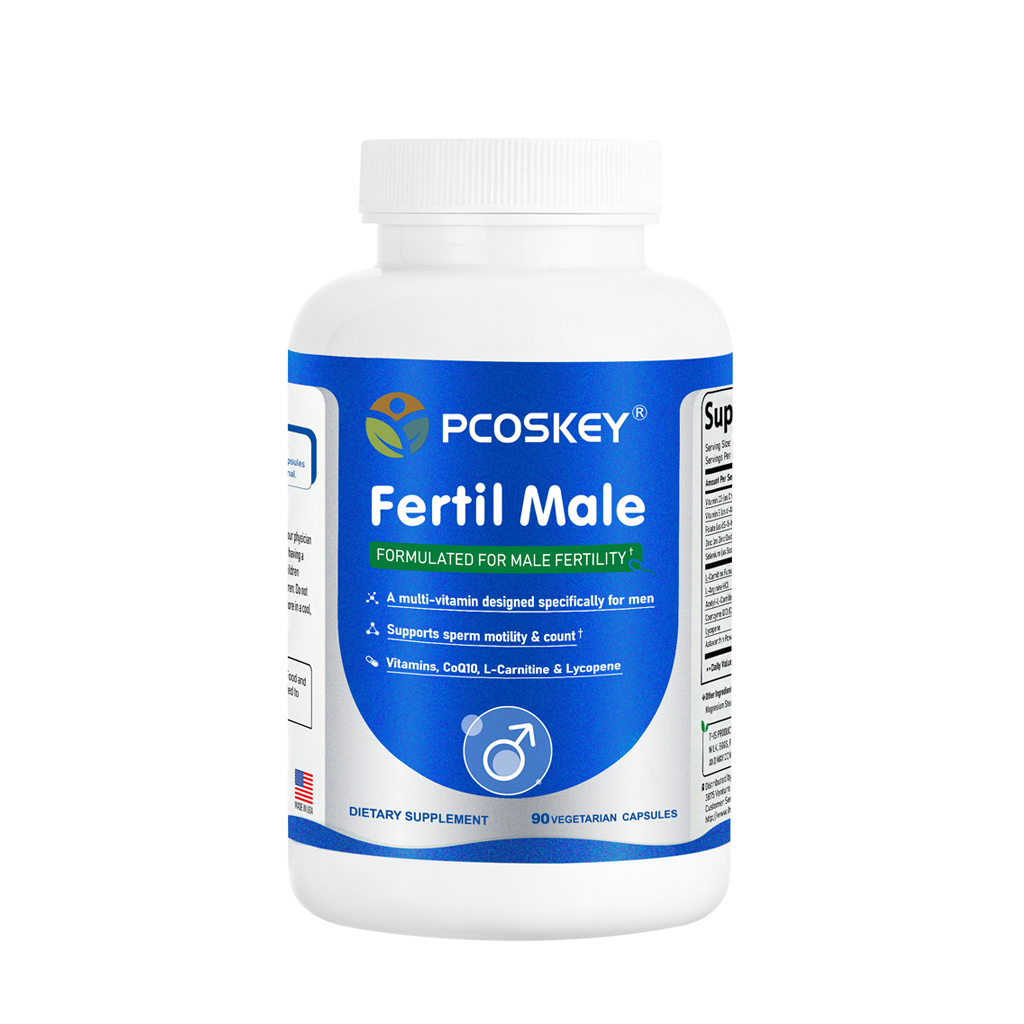
- Consider Supplementation When Needed: If dietary intake is insufficient, a high-quality multivitamin designed for men’s preconception health can help fill nutrient gaps. Look for supplements containing zinc, selenium, folate, B12, and CoQ10. Always consult a healthcare provider before starting any supplementation regimen.
- Maintain a Healthy Weight: Obesity is linked to hormonal imbalances, reduced testosterone levels, and impaired sperm quality. A balanced diet combined with regular exercise (such as 30 minutes of moderate activity most days) can help maintain a healthy weight and support reproductive health.
Conclusion
Preconception health is a shared responsibility between partners, and men’s nutritional choices are just as important as women’s in achieving a healthy pregnancy. By prioritizing key nutrients—including antioxidants, B vitamins, omega-3 fatty acids, and CoQ10—men can significantly improve sperm quality, enhance fertility, and support the long-term health of their future child. A balanced diet, combined with healthy lifestyle habits, forms the foundation of male preconception health, and small, consistent changes can make a meaningful difference. Remember, spermatogenesis takes time, so it is recommended to start focusing on nutrition and lifestyle at least three months before trying to conceive. Consulting a healthcare provider or a fertility specialist can provide personalized guidance to optimize preconception health and increase the chances of successful conception.