

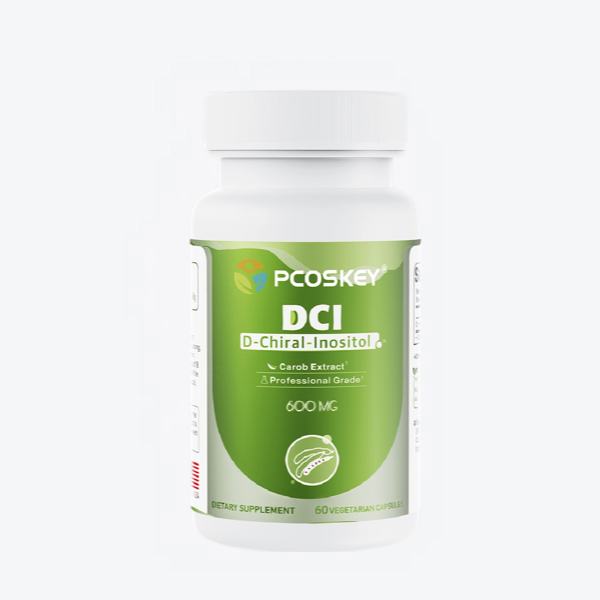

Metabolism is a complex network of biochemical processes that sustain life, encompassing the breakdown of nutrients for energy production, the synthesis of essential molecules, and the regulation of physiological homeostasis. When metabolic function is impaired, it can lead to a range of health issues, including insulin resistance, type 2 diabetes, dyslipidemia, and polycystic ovary syndrome (PCOS). Chiral inositol, a naturally occurring stereoisomer of inositol—a carbocyclic sugar polyalcohol—has emerged as a promising compound for improving metabolic health. Among its various forms, D-chiro-inositol (DCI) is the most biologically active and extensively studied for its role in regulating key metabolic pathways, particularly those related to insulin signaling, glucose homeostasis, and lipid metabolism. This article explores the mechanisms through which chiral inositol modulates metabolic processes and the specific benefits it offers for addressing metabolic disorders.
Understanding Chiral Inositol: A Key Player in Metabolic Regulation
Inositol exists in nine distinct stereoisomers, differing from one another in the orientation of their six hydroxyl groups, with myo-inositol (MI) and D-chiro-inositol (DCI) being the two most physiologically relevant forms in humans. Chiral inositol, specifically DCI, is naturally present in cell membranes and can be obtained through dietary sources (such as fruits, beans, grains, and nuts) or synthesized endogenously from myo-inositol via the action of a NADH/NADPH-dependent epimerase enzyme. Unlike myo-inositol, which is abundant in most tissues, DCI is less prevalent and its production is tightly regulated by insulin, making it particularly critical for tissues involved in metabolic control, such as the liver, muscles, and adipose tissue. A disruption in the balance between MI and DCI—often characterized by reduced DCI levels or an altered MI-to-DCI ratio—is closely linked to metabolic dysfunction, including insulin resistance and related disorders.
Core Mechanisms: How Chiral Inositol Improves Metabolic Function
The metabolic benefits of chiral inositol are primarily mediated through its role as a secondary messenger in intracellular signaling, particularly in the insulin signaling pathway—a process essential for regulating glucose and lipid metabolism. When insulin binds to its receptor on cell surfaces, it triggers a cascade of signaling events that rely on inositol phosphoglycans (IPGs), complex molecules containing either MI or DCI. DCI-containing IPGs play a pivotal role in transmitting the insulin signal, specifically promoting the downstream effects of insulin that support glucose utilization and storage, as well as lipid homeostasis.
A key mechanism underlying chiral inositol’s metabolic effects is its ability to address insulin resistance—a condition where cells fail to respond properly to insulin, leading to elevated blood glucose levels and compensatory hyperinsulinemia. Studies have shown that insulin-resistant tissues often exhibit a deficiency in DCI, as the enzymatic conversion of MI to DCI is impaired in these cells. Supplementing with DCI bypasses this defective conversion process, restoring insulin sensitivity by enhancing the activity of insulin-dependent enzymes and signaling molecules, such as insulin receptor substrate 2 (IRS-2), phosphatidylinositol 3-kinase (PI3K), and protein kinase B (Akt)—all of which are critical for glucose transport and metabolism.
Specific Metabolic Benefits of Chiral Inositol
1. Regulating Glucose Homeostasis
Chiral inositol plays a direct role in optimizing glucose metabolism by enhancing glucose uptake, promoting glycogen synthesis, and reducing hepatic glucose production. In insulin-resistant individuals and those with type 2 diabetes, DCI supplementation has been shown to improve glucose tolerance, lower fasting and postprandial blood glucose levels, and reduce the levels of glycosylated proteins and advanced glycation end products—markers of long-term glucose dysregulation. Animal studies using diabetic db/db mice demonstrated that DCI significantly alleviates glucose intolerance, promotes liver glycogen synthesis, and upregulates the expression of glucose transporter 4 (GLUT4), which facilitates glucose uptake into muscle and adipose cells. Clinically, DCI administration has been shown to accelerate glucose disposal in humans with insulin resistance, helping to restore normal blood glucose balance without the side effects associated with some glucose-lowering medications.
2. Alleviating Insulin Resistance
Insulin resistance is a hallmark of metabolic syndrome, type 2 diabetes, and PCOS, and chiral inositol has been widely studied for its insulin-sensitizing properties. By restoring the activity of insulin signaling pathways, DCI helps cells respond more effectively to insulin, reducing the need for the pancreas to produce excessive amounts of the hormone (hyperinsulinemia). In individuals with PCOS— a condition closely linked to insulin resistance—hyperinsulinemia disrupts the MI-to-DCI ratio by overstimulating epimerase activity, leading to metabolic and hormonal imbalances. DCI supplementation helps normalize this ratio, improving insulin sensitivity as measured by the Homeostatic Model Assessment for Insulin Resistance (HOMA-IR) index, and reducing the severity of PCOS-related metabolic complications.
3. Modulating Lipid Metabolism
Beyond glucose regulation, chiral inositol also exerts beneficial effects on lipid metabolism, helping to reduce the risk of dyslipidemia—a common complication of metabolic dysfunction. Studies have shown that DCI supplementation can lower serum levels of total cholesterol, triglycerides, and low-density lipoprotein cholesterol (LDL-C, the “bad” cholesterol), while increasing levels of high-density lipoprotein cholesterol (HDL-C, the “good” cholesterol). This lipid-modulating effect is particularly significant in individuals with PCOS and type 2 diabetes, who are at increased risk of cardiovascular disease due to dyslipidemia. By reducing lipid accumulation in the liver and adipose tissue, DCI also helps mitigate non-alcoholic fatty liver disease (NAFLD), a condition closely associated with insulin resistance and metabolic syndrome.
4. Supporting Metabolic Health in PCOS
Polycystic ovary syndrome (PCOS) is an endocrine-metabolic disorder characterized by insulin resistance, hyperandrogenism, and polycystic ovarian changes, and chiral inositol has emerged as a valuable intervention for improving metabolic outcomes in affected individuals. In addition to its insulin-sensitizing effects, DCI helps regulate steroidogenesis by modulating the activity of steroidogenic enzymes, reducing the production of androgens (such as testosterone) that contribute to PCOS symptoms like hirsutism and acne. Clinical trials have demonstrated that DCI supplementation improves ovulatory function, reduces blood pressure and triglyceride levels, and enhances overall metabolic profile in both obese and lean women with PCOS, making it a well-tolerated and effective adjunct to lifestyle modifications.
Conclusion
Chiral inositol, particularly in the form of D-chiro-inositol, plays a crucial role in improving metabolic health by regulating insulin signaling, glucose homeostasis, and lipid metabolism. Its ability to address insulin resistance— the root cause of many metabolic disorders—makes it a promising natural intervention for individuals with type 2 diabetes, metabolic syndrome, and PCOS. By restoring the balance of inositol stereoisomers, enhancing insulin sensitivity, and modulating key metabolic pathways, chiral inositol helps mitigate the adverse effects of metabolic dysfunction, supporting long-term physiological homeostasis. With a favorable safety profile and growing clinical evidence supporting its efficacy, chiral inositol represents a valuable addition to metabolic health management, though it is recommended to consult a healthcare provider before starting supplementation to tailor dosages to individual needs. Future research will continue to explore its full potential in optimizing metabolic function and preventing metabolic diseases.