

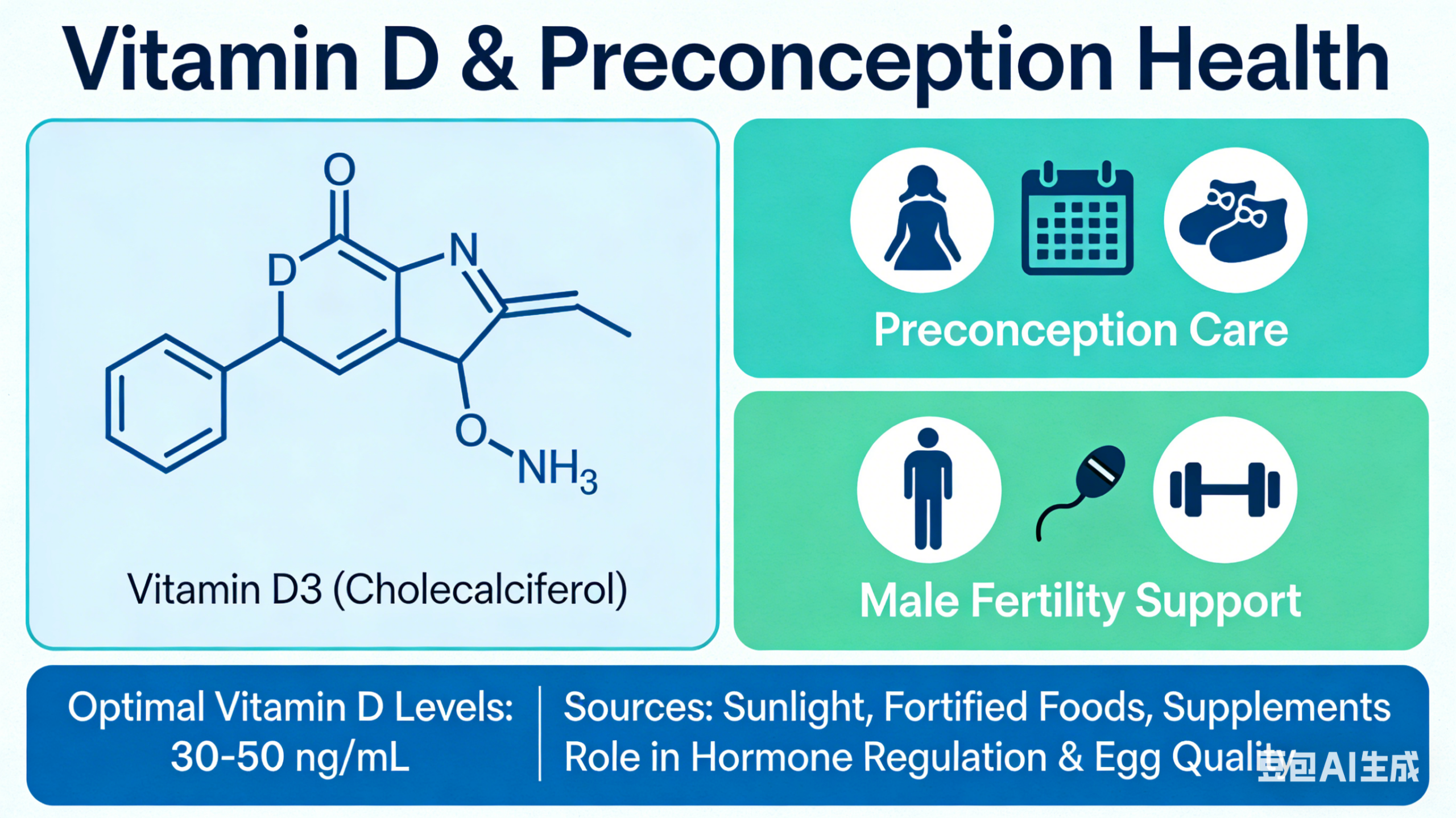

When preparing for pregnancy, most people focus on key nutrients like folic acid, but one often overlooked vitamin plays a critical role in fertility and early fetal health: vitamin D. Known as the “sunshine vitamin,” vitamin D is more than just a nutrient for strong bones—it is a powerful hormone precursor that influences reproductive function in both men and women. Understanding its role in preconception can help you optimize your body for a healthy pregnancy and lay a solid foundation for your baby’s development.
What Is Vitamin D, and How Does It Work?
Vitamin D is a fat-soluble vitamin that exists in two main forms: vitamin D2 (ergocalciferol), found in plant-based sources like mushrooms and yeast, and vitamin D3 (cholecalciferol), which is synthesized in the skin when exposed to sunlight and found in animal-based foods such as fatty fish and egg yolks. Unlike other vitamins, vitamin D acts as a hormone once activated in the liver and kidneys, binding to receptors throughout the body—including those in the reproductive organs—to regulate various cellular processes.
While its well-known role is regulating calcium and phosphorus absorption for bone health, emerging research highlights its profound impact on reproductive health. A growing body of evidence shows that vitamin D deficiency is a common issue worldwide, even among people in sunny regions, and this deficiency can hinder fertility in both partners.
The Role of Vitamin D in Female Preconception Health
For women, vitamin D is essential for optimizing fertility and creating a supportive environment for conception and embryo development. Here’s how it makes a difference:
- Supports Egg Quality and Ovarian Function: The ovaries contain vitamin D receptors, which means vitamin D directly influences follicle development and egg maturation. Vitamin D has been studied for its role in supporting egg quality and ovarian health.*
- Supports Endometrial Receptivity: The lining of the uterus (endometrium) also has vitamin D receptors. Adequate vitamin D helps regulate the growth and thickness of the endometrium, creating a supportive environment for embryo implantation.*
- Supports Hormonal Balance: Vitamin D plays a role in regulating estrogen and progesterone levels, two hormones critical for regular ovulation and maintaining a healthy pregnancy. For women with polycystic ovary syndrome (PCOS)—a common cause of infertility—vitamin D deficiency is particularly prevalent. Vitamin D has been studied for its role in supporting healthy insulin function and hormone balance.*
- Supports Preconception Wellness: Building adequate vitamin D stores before conception helps support a healthy pregnancy journey, including fetal bone development.*
Why Vitamin D Matters for Male Fertility Too
Preconception health is a shared responsibility, and vitamin D is just as important for men. Here’s how it impacts male reproductive health:
- Supports Sperm Quality: Vitamin D receptors are present in sperm cells, and sufficient levels of the vitamin are linked to healthy sperm count, motility, and normal morphology (shape). Some studies link low vitamin D levels with poorer sperm parameters.*
- Supports Testosterone Production: Vitamin D is a key factor in testosterone synthesis, the primary male sex hormone responsible for sperm production and sexual function. Low vitamin D levels are associated with lower testosterone levels, which can further impair fertility.
How to Check and Maintain Adequate Vitamin D Levels for Preconception
The first step in optimizing vitamin D for preconception is to get tested. The gold standard for measuring vitamin D status is a blood test that checks serum 25-hydroxyvitamin D (25(OH)D) levels. According to clinical guidelines, a sufficient level is 50 nmol/L or higher, while levels between 30–49 nmol/L are considered insufficient, and levels below 30 nmol/L are deficient. Routine screening is not recommended for asymptomatic individuals, but testing is advised for those with risk factors—including couples trying to conceive.
1. Sun Exposure: The Natural Source
The most effective way to get vitamin D is through moderate sun exposure. Spending 10–20 minutes outdoors daily (without sunscreen) allows the skin to synthesize vitamin D3. However, factors like geographic location, season, skin tone, and time of day can affect synthesis—people with darker skin, those living in high latitudes, or those who spend little time outdoors may struggle to get enough from sunlight alone.
2. Dietary Sources
Incorporating vitamin D-rich foods into your diet is a reliable way to boost levels, especially if sun exposure is limited. Top sources include:
- Fatty fish (salmon, sardines, tuna) – 100g of cooked salmon provides 450–600 IU of vitamin D.
- Egg yolks – one egg yolk contains about 40 IU of vitamin D.
- Fortified foods (milk, yogurt, cereals) – a 240ml glass of fortified milk typically provides 100–130 IU.
- Mushrooms (exposed to UV light) – 100g of dried shiitake mushrooms can provide up to 1600 IU.
3. Supplementation: A Practical Option
For many couples, especially those with deficiency or limited sun/dietary intake, supplementation is the most effective way to reach optimal levels. Clinical guidelines recommend the following for preconception individuals:
- General maintenance: 400–600 IU of vitamin D3 daily for all women preparing for pregnancy.
- Insufficient levels (30–49 nmol/L): 1000 IU daily for 3 months.
- Deficient levels (<30 nmol/L): 2000 IU daily until levels normalize.
- Avoid high-dose supplementation (e.g., 50,000 IU monthly) during preconception, as it may pose risks. Daily supplementation is preferred to reduce dosing errors.
It’s important to consult a healthcare provider before starting supplements, especially if you have underlying health conditions or are taking other medications.
Key Takeaways for Preconception Vitamin D
Vitamin D is a vital nutrient for both male and female fertility, playing a role in egg and sperm quality, hormonal balance, and early pregnancy health. By getting tested, optimizing sun exposure, eating a nutrient-rich diet, and supplementing when needed, you can ensure your body has the vitamin D it needs to support a healthy conception and pregnancy.
Remember, preconception health is a journey, and every small step—including prioritizing vitamin D—brings you closer to welcoming a healthy baby. Start early, stay consistent, and consult your healthcare provider for personalized guidance.
You can find a variety of supplements containing vitamin D here.
*These statements have not been evaluated by the Food and Drug Administration. This product is not intended to diagnose, treat, cure, or prevent any disease.