

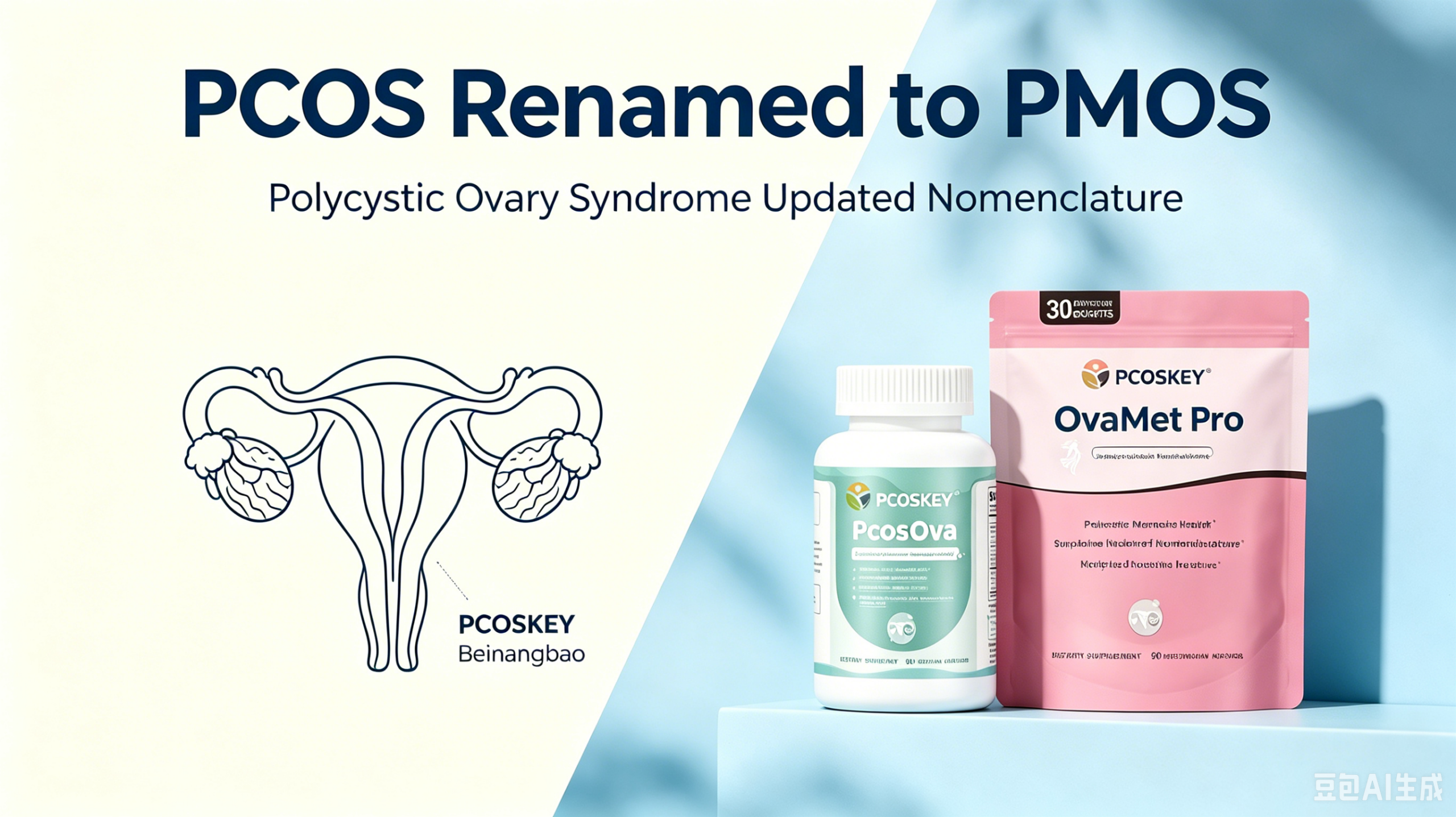

If you’ve ever received a PCOS diagnosis, you’ve likely heard the term “polycystic ovary syndrome”—and maybe felt confused, overwhelmed, or even misrepresented by it. In recent years, some clinicians, researchers, and patient advocates have proposed renaming PCOS to better reflect what the condition really is—one suggested name is PMOS, or Polyendocrine Metabolic Ovarian Syndrome. This post explores that conversation and what it means for you.
Why Some Say the Name “PCOS” Doesn’t Tell the Whole Story
Coined in 1935, “polycystic ovary syndrome” focused on a single, potentially misleading detail: the appearance of small, fluid-filled sacs on the ovaries. But here’s the fuller picture:
- These aren’t harmful “cysts”—they’re typically underdeveloped follicles (immature eggs) related to hormonal imbalances.
- Not everyone with PCOS has polycystic ovaries—yet the name can make it sound like a requirement.
- Most importantly, the name can reduce a whole-body endocrine and metabolic condition to an “ovary problem”—overlooking systemic aspects that matter most.
For decades, this naming debate has centered on a real concern: when a condition is misunderstood, care can feel fragmented, and stigma can follow. Many patients describe being told their issues were “just ovarian,” while important drivers like insulin resistance, hormonal fluctuations, and long-term metabolic health received less attention.
What “PMOS” Would Stand For
Advocates of the proposed name Polyendocrine Metabolic Ovarian Syndrome (PMOS) say it tells a fuller story:
- Polyendocrine: The condition can involve multiple hormone systems (ovaries, adrenal glands, pancreas, and brain)—not just one.
- Metabolic: Highlights the metabolic dimension, including insulin resistance and metabolic health that can affect weight, energy, and long-term wellness.
- Ovarian: Acknowledges ovarian involvement (irregular ovulation, hormone production) while removing the potentially misleading “cyst” label.
In short, supporters describe PMOS as a systemic hormonal and metabolic condition with ovarian aspects—not just “cysts on ovaries.”
Where Things Stand Today
To be clear: PCOS remains the accepted medical name used by healthcare providers and health authorities today. A rename to PMOS is a proposal discussed in parts of the medical community—not an official change. At PCOSKEY, we use “PCOS,” the name your doctor uses, while fully recognizing that PCOS is about much more than ovaries: it’s about hormones, metabolism, fertility, and quality of life.
What This Means for You
Whatever the name, the goal is the same: care that sees the whole you. Here’s why this conversation matters for your daily life, fertility journey, and long-term health:
1. Less Misunderstanding and Stigma
Seeing PCOS as a whole-body condition validates that your symptoms (irregular periods, acne, hair loss, weight struggles) are real and rooted in hormonal and metabolic imbalances—not “all in your head” or “just ovarian.”
2. Support That Looks at Root Causes
For too long, PCOS care often focused on masking symptoms instead of supporting what’s underneath. A whole-body view prioritizes metabolic health: healthy insulin function, hormone balance, and lifestyle support.
3. Targeted Support for Every Stage of Your Journey
At PCOSKEY, we’ve always known PCOS isn’t one-size-fits-all. Our mission is stage-specific, targeted nutritional support for every phase of your journey—whether you’re:
- Supporting healthy hormone balance and a healthy cycle
- Supporting metabolic health (insulin function, weight, energy)
- Preparing for conception (ovulation support, egg quality)
- Navigating fertility treatments (IVF, IUI)
4. Simplified, Science-Backed Supplementation
One of the biggest frustrations for women with PCOS? Juggling handfuls of single-ingredient pills (inositol, berberine, CoQ10, vitamins) and spending hours researching which doses work together. At PCOSKEY, we eliminate the guesswork:
- Our all-in-one formulas blend complementary doses of key nutrients into simple daily routines.
- No more confusing research or pill overload—just thoughtfully formulated support tailored to your stage.
- Cost-effective: Our bundled supplements cost far less than buying individual ingredients separately.
Why PCOSKEY Uses “PCOS”
We follow the name your healthcare provider uses—because clarity matters when you’re talking to your doctor, reading research, or finding community. And we’ve always formulated for the whole picture: hormones, metabolism, fertility, and quality of life.
Whatever you call it, our promise stays the same:
- To honor the complexity of your condition.
- To provide solutions that address your unique stage and needs.
- To empower you to take control of your health without confusion, stigma, or guesswork.
Final Thoughts: Your Journey, Reclaimed
Names matter—but what matters most is understanding. PCOS is about far more than a misleading label, and embracing a whole-body understanding is one that centers you and your health.
If you’re ready for targeted, simplified nutritional support for your PCOS journey, we’re here for you.
You are never alone on your PCOS journey with PCOSKEY by your side. Our PCOSOVA and Inositol series are crafted to support daily PCOS wellness, standing out as trustworthy premium products you can count on.*
Want to share this with your community?
Copy the link and tag us—let’s spread understanding about PCOS and empower more women to thrive.
#PCOS #HormoneHealth #FertilitySupport #PCOSKEY
*These statements have not been evaluated by the Food and Drug Administration. This product is not intended to diagnose, treat, cure, or prevent any disease.